Komodo 3 Island Liveaboard Trends 2027: Understanding New Visitor Quotas and Remote Manta Site Access

September 5, 2025
6 min read
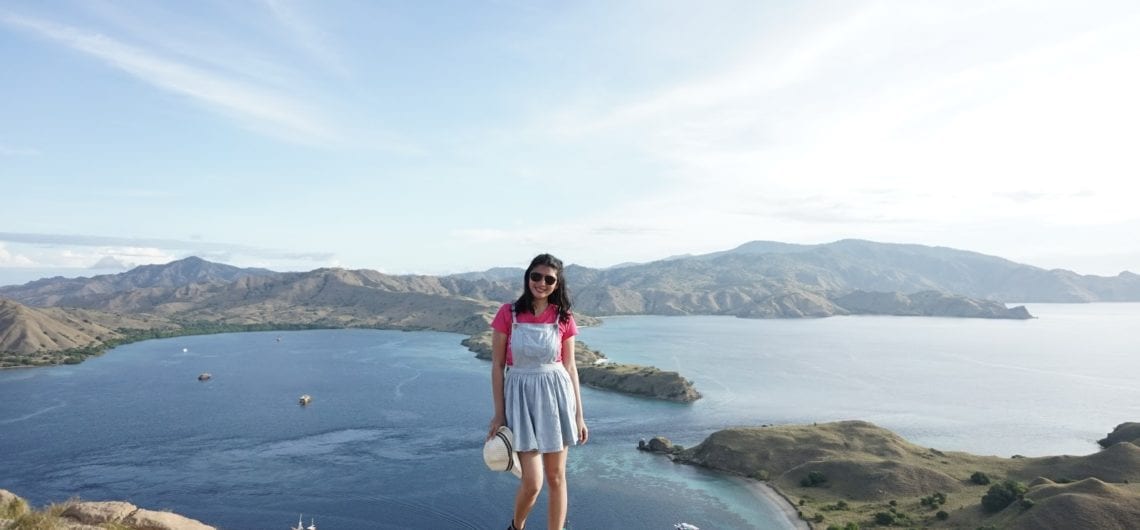
Indonesia’s Komodo liveaboard market for 3-island safaris, typically encompassing Komodo, Rinca, and Padar, is a small but high-value niche within Indonesian dive tourism. Dozens of vessels operate, with day-rates generally USD 220–550 per person and short-trip packages around USD 600–1,600 per person through 2027.
Komodo 3 Island Liveaboard Trends 2027: Understanding New Visitor Quotas and Remote Manta Site Access
As Komodo 3 Island Liveaboard, a private yacht and phinisi charter operator, we observe specific trends shaping the Komodo liveaboard experience into 2027. The market, focused on Komodo, Rinca, and Padar, continues to be a high-value niche within Indonesian dive tourism. Our insights focus on the implications of new visitor quotas and evolving access to remote manta sites, ensuring our guests are informed for their upcoming charters.
Market Size and Growth (2026–2027)
Direct, audited figures for “Komodo 3-island liveaboard” are not published; the market is usually tracked as Komodo liveaboard diving within Indonesia’s broader marine tourism. The following is based on vessel counts, typical capacities, and trip frequencies.
Number of Vessels
Liveaboard.com lists 61 liveaboards operating in Komodo, Indonesia. Most of these boats offer 3–7 day safaris including Komodo, Rinca and Padar (“3 islands”) as core itineraries. This provides a clear picture of the operational scale.
Capacity & Trip Volume (inferred)
Typical Komodo boats carry 10–16 guests; Scuba Republic, for example, caps one vessel at 14 guests. Many run close to year-round, with peak July–August and manta season trips booking 12+ months in advance. This indicates strong, consistent demand.
If one assumes (conservative, for 3-island safaris only – this is an inference):
- ~40 of the 61 boats regularly run 3- to 4-night “3-island” itineraries;
- Average 12 guests per trip;
- ~80–120 such trips per boat per year (factoring shoulder and off-season);
that yields an annual 3-island liveaboard capacity on the order of 40,000–60,000 guest-nights, corresponding to perhaps 10,000–15,000 individual travelers, depending on trip length. This is an estimate based on capacity, not an official statistic, and should be treated as directional.
Growth Dynamics 2026–2027
Liveaboard.com notes that from April 2026 a strict daily cap of 1,000 visitors across Komodo’s core zones is enforced, making early liveaboard booking “essential”. Growth into 2027 is supported by strong international dive demand and constrained park quotas, implying high occupancy and rising yields rather than large volume expansion. This signals a shift towards managing visitor impact rather than increasing visitor numbers.
2027 Note:
For 2027, the established visitor quotas will necessitate advance planning for Komodo liveaboard charters. Guests aiming to visit the core Komodo zones, including Komodo Island and Rinca Island, should confirm their bookings well in advance to secure permits and preferred dates. This quota system is designed to preserve the park’s ecological integrity.
Visitor Quotas and Park Access in 2027
The implementation of visitor quotas in Komodo National Park significantly impacts how liveaboard operators schedule and manage itineraries. The strict daily cap of 1,000 visitors across Komodo’s core zones, effective from April 2026, means that access to popular sites will be managed more stringently. This system is crucial for the long-term sustainability of the park and its biodiversity.
Implications for Liveaboard Itineraries
Liveaboard operators, including Komodo 3 Island Liveaboard, are adapting itineraries to comply with these quotas while still providing comprehensive experiences. This may involve adjusting visit timings or exploring less frequented, but equally rewarding, sites within the broader Komodo area. Advance booking becomes a necessity to secure entry permits for desired dates.
Permit System and Booking
The permit system is managed by the park authorities. Liveaboard operators handle the acquisition of these permits on behalf of their guests. Due to the daily cap, last-minute bookings for specific core zone access may become challenging or impossible. Guests are advised to plan their Komodo liveaboard trips with ample lead time, ideally 12+ months in advance for peak season travel, to avoid disappointment.
Remote Manta Site Access
The focus on sustainability and visitor management also extends to wildlife interactions, particularly with manta rays. While popular manta sites like Manta Point are well-known, the liveaboard experience allows for access to more remote locations, which may offer different viewing opportunities and contribute to reduced pressure on high-traffic areas.
Exploring Alternative Manta Locations
Komodo National Park and its surrounding waters host several locations where manta rays are frequently sighted. Beyond the most famous sites, liveaboard charters can explore remote cleaning stations and feeding grounds that are less frequented by day-trip boats. These alternative sites can offer more intimate and undisturbed interactions with mantas, subject to local conditions and park regulations.
Conservation Efforts and Responsible Tourism
Access to manta sites is increasingly linked to responsible tourism practices. Liveaboard operators adhere to strict guidelines to minimise disturbance to marine life. This includes maintaining respectful distances, avoiding aggressive pursuit of animals, and educating guests on proper interaction protocols. The aim is to ensure that manta encounters are sustainable and do not negatively impact the mantas’ natural behaviour or habitat.
Pricing and Value Proposition (2027)
The Komodo liveaboard market remains a high-value niche. Day-rates generally range from USD 220–550 per person, with short-trip packages around USD 600–1,600 per person through 2027. These prices reflect the bespoke nature of private charters, the quality of service, and the increasing costs associated with park entry and operational logistics under the new quota system.
| Service Type | Approximate Price Range (per person, USD) | Notes |
|---|---|---|
| Day-Rates | 220–550 | Typically for single-day excursions, not full liveaboard. |
| Short-Trip Packages (3-4 nights) | 600–1,600 | Common for 3-island itineraries. |
| Private Charter (daily rate) | Varies significantly | Dependent on vessel size, amenities, and duration. |
These figures are approximate and subject to change based on specific vessel, itinerary, and inclusions. The value proposition lies in the privacy, customisation, and access to remote locations that private charters offer, particularly in an environment of constrained general park access.
Booking and Planning for 2027 Charters
Given the visitor quotas and consistent demand, planning for a 2027 Komodo liveaboard charter requires foresight. We recommend the following:
- Early Booking: Secure your charter 12-18 months in advance, especially for peak seasons (July-August) and manta season (October-April).
- Flexibility: While core 3-island itineraries remain popular, being open to slightly adjusted routes can enhance the experience and ensure park access.
- Communication: Maintain open communication with your charter specialist to understand the latest park regulations and itinerary options.
Komodo 3 Island Liveaboard is committed to providing accurate information and bespoke experiences within the evolving regulatory landscape of Komodo National Park. Our focus remains on delivering exceptional private yacht and phinisi charters that respect the environment and provide unforgettable encounters with Komodo’s unique biodiversity.
For detailed information on 2027 availability and to tailor your Komodo 3 Island liveaboard experience, request a charter quote on WhatsApp.
Continue reading: Komodo 3 Day Liveaboard Luxury Options 2027: Private Yacht Charters and Exclusive Experiences · Komodo 3 Day Liveaboard Packages 2027: What’s Included (and Excluded) in All-Inclusive Deals · Conservation Sustainability