
What to Pack for 3 Days of Komodo Island Hopping: A Deck-Life Checklist from a 22 m Phinisi

al ghifari
August 16, 2026
10 min read
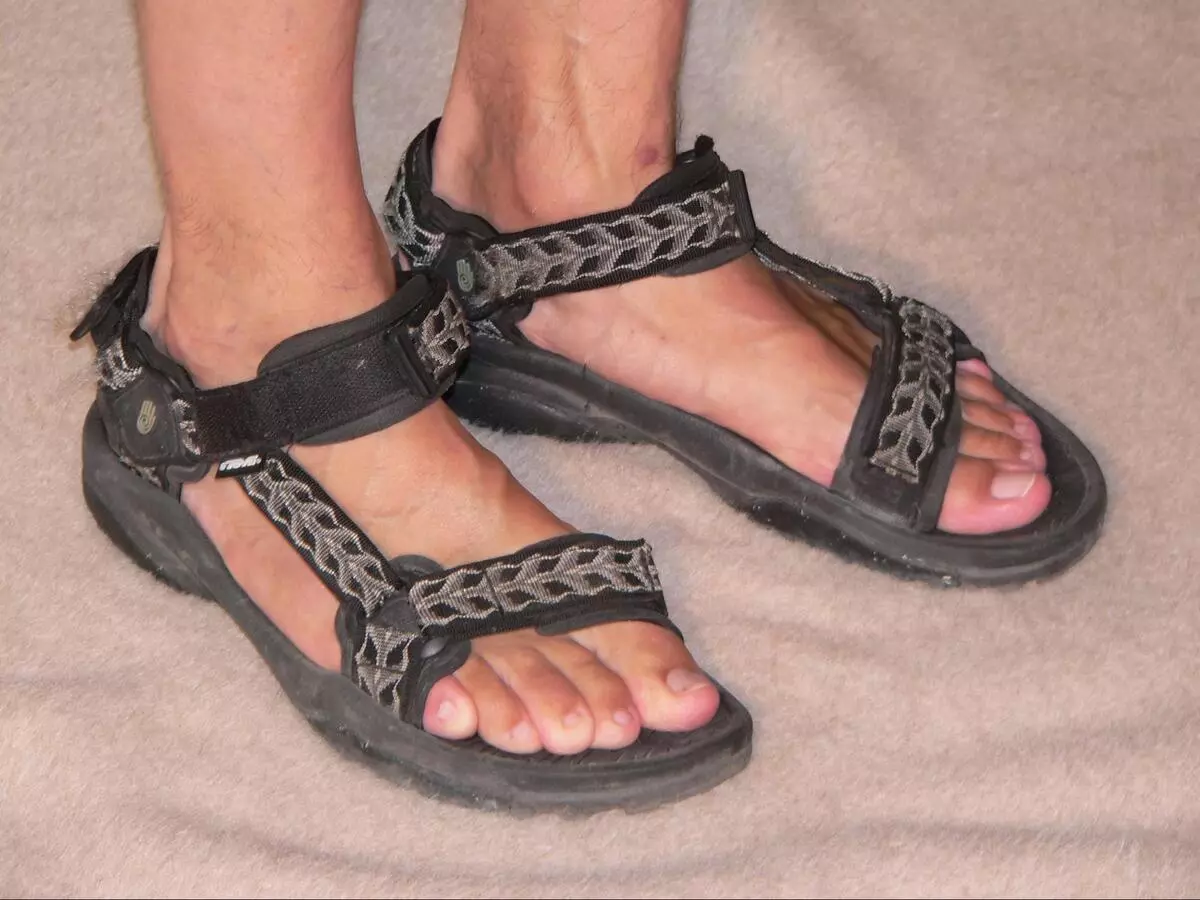
Pack one soft duffel, not a hard suitcase. Inside it: three quick-dry outfits, two swimsuits, a wide-brim hat that ties on, reef-safe sunscreen, closed shoes with real tread for the Padar climb, sandals you can kick off at the swim ladder, a small dry bag, seasickness tablets, a power bank, and one warm layer for the night crossings. That is honestly most of a Komodo island hopping packing list. A 3D2N itinerary out of Labuan Bajo — Padar, then Komodo or Rinca, then Pink Beach — is lived barefoot on a wooden deck, and nearly everything guests overpack stays zipped for three days.
Last updated: August 16, 2026
What follows comes from watching fourteen guests at a time load, unpack and live aboard our 22 m phinisi. The same regrets surface on almost every departure. This checklist exists so you do not repeat them.
Why the boat decides what you pack
A phinisi is a wooden ship built in the Bulukumba tradition of South Sulawesi, and ours is 22 metres of it: five cabins, fourteen guests, a shaded saloon, and a foredeck that becomes the living room from the moment we clear the harbour. Cabin storage sits under the bunks and along a narrow shelf. A soft duffel folds into that space; a rigid suitcase does not, and spends three days being climbed over. Most hotels in Labuan Bajo will hold a bag until you are back on land — use them.
3 Island Liveaboard sails within the fleet of Komodo Luxury — a registered Indonesian PT under Juara Holding Group Limited with 1,500+ verified guest reviews (4.9/5) — so the routines below are not guesses; they are the operating pattern across dozens of departures a month. If you are still weighing boats before you pack for one, the wider Komodo Luxury fleet spans open-trip schooners to fully private charters, and the fuller landscape of liveaboard departures from Labuan Bajo is worth reading before you commit to a bag at all.
The deck-life checklist, layer by layer
The sun layer (roughly 07:00 to 16:00)
- A long-sleeve rashguard. The crossing between Padar and Pink Beach offers no shade, and re-applying sunscreen on a moving deck is a losing game.
- A wide-brim hat with a chin cord. Deck wind claims two or three hats a month off this rail. Cords win.
- Reef-safe sunscreen. Oxybenzone-free. You will reapply after every swim, so bring the full bottle, not the travel miniature.
- Sunglasses with a retainer strap — for the same reason as the hat.
- A sarong. The single hardest-working item on board: towel, shoulder cover at village stops, pillow on the foredeck, sun shield at the bow.
The water layer
- Two swimsuits. In August humidity, the suit from the afternoon snorkel is still damp at 06:00. Rotate.
- A 10–20 L roll-top dry bag. Tender runs to Pink Beach are wet landings. Phone, cash and camera ride inside it, every time.
- Your own mask, if you are particular about fit. We keep snorkel sets aboard for all fourteen guests and size them before the first swim stop — but a face that hates rental masks will hate ours too.
- Anti-fog drops, or the traditional method. Your call.
The night layer
- A light windbreaker or fleece. Under way after sunset, apparent wind drops the deck temperature faster than newcomers expect.
- Long, light trousers for evenings at the saloon table — comfort, not cold.
- A headlamp. When the anchor deck goes dark, you want both hands for the ladder, not one wrapped around a phone torch.
Footwear: two pairs, and no more
The Padar viewpoint is a stair-and-gravel climb, best done at first light: trainers with proper tread, nothing heavier. On Komodo or Rinca, rangers lead the dragon walks over hot ground and thorn scrub, so the same closed shoes do that job too. Everywhere else — the deck, Pink Beach, the sandbars — you are barefoot or in sandals. Hiking boots are dead weight on this route, and the crew will quietly judge the person who brought them.
Electronics, cash and the small things
- A power bank. Charging aboard is available but shared among fourteen people; a bank keeps your camera honest for Padar at sunrise.
- Rupiah in cash for national park tickets and ranger fees paid ashore, crew tips if you choose to leave one, and small purchases at village stops. Cards are useless past the harbour.
- Seasickness tablets, taken before the first crossing — not after the horizon starts moving. The route is short-hop and mostly sheltered, but August afternoons can put a roll in the swell.
- Personal medication, plus paracetamol and rehydration salts. The boat carries a first-aid kit; it does not carry your prescriptions.
- A copy of your passport, physical or photographed, for park administration.
On budgeting: the real money is settled long before you step aboard. Open trips on the 3D2N three-island route run USD 250–300 per person, and whole-boat charters sit between USD 3,350–4,800 per group depending on trip length and group size — figures we publish and keep current, with the fleet-wide picture laid out in this Komodo boat charter price guide. What you carry in cash is only the small stuff above.
What stays in Labuan Bajo
- Towels — cabin and deck towels are aboard.
- Snorkel sets — provided and sized for every guest.
- Bottled water — refill from the galley; bring a bottle worth refilling.
- A hair dryer — the generator schedule will frustrate you, and the deck wind does the job faster anyway.
- Anything that needs ironing, anything with heels, and the hard suitcase — your hotel will store it.
Sailing conditions in August 2026, plainly
Two facts worth knowing as you pack. First, Komodo National Park operates a cap of 1,000 visitors per day. For guests this is good news — Padar at dawn is quieter than it has been in years — but it means mornings run to a schedule. Permits are arranged in advance by the operator, and your daypack should be packed the night before, because first light does not wait for anyone still hunting for their hat.
Second, the M7.7 earthquake of 15 August 2026 produced no destructive tsunami — the recorded wave was 0.36 m — and the park reopened the same day. Boats sailed. The anchorages, the ranger walks and the three-island route are running normally.
One last practical note: this vessel takes fourteen guests, and popular dates do fill. Lady Grace and Yumana, sister vessels in the same fleet, run comparable three-island itineraries with the same deck-life rhythm — the packing list above transfers to either of them unchanged.
Frequently asked questions
Do I need to bring my own snorkel gear?
No. Snorkel sets are kept aboard for all fourteen guests and sized before the first swim stop. Bring your own mask only if you are particular about fit — a face that dislikes rental masks will dislike ours too.
Is there a luggage limit on the phinisi?
There is no formal weight limit, but cabin storage is under-bunk and shelf space, so a soft duffel is the practical ceiling. Hard suitcases do not fold away; most Labuan Bajo hotels will store one until you return.
Can I charge my phone and camera on board?
Yes — shared charging points run in the saloon while the generator is on. With fourteen guests sharing them, a power bank is the difference between a full battery at Padar sunrise and a dead one.
What shoes do I need for the Padar trek?
Trainers with proper tread. The viewpoint climb is stairs and gravel, done before the heat builds. The same shoes handle the ranger-led dragon walks on Komodo or Rinca. Hiking boots are unnecessary on this route.
Is Komodo National Park open after the 15 August 2026 earthquake?
Yes. The M7.7 earthquake produced no destructive tsunami — the recorded wave was 0.36 m — and the park reopened the same day. The three-island itinerary is operating normally.
How does the 1,000-visitor daily cap affect my trip?
Permits are arranged in advance by the operator, so the practical effect for guests is earlier, more scheduled mornings and noticeably quieter viewpoints and beaches — pack your daypack the night before.
Frequently Asked Questions
Do I need to bring my own snorkel gear?
No. Snorkel sets are kept aboard for all fourteen guests and sized before the first swim stop. Bring your own mask only if you are particular about fit — a face that dislikes rental masks will dislike ours too.
Is there a luggage limit on the phinisi?
There is no formal weight limit, but cabin storage is under-bunk and shelf space, so a soft duffel is the practical ceiling. Hard suitcases do not fold away; most Labuan Bajo hotels will store one until you return.
Can I charge my phone and camera on board?
Yes — shared charging points run in the saloon while the generator is on. With fourteen guests sharing them, a power bank is the difference between a full battery at Padar sunrise and a dead one.
What shoes do I need for the Padar trek?
Trainers with proper tread. The viewpoint climb is stairs and gravel, done before the heat builds. The same shoes handle the ranger-led dragon walks on Komodo or Rinca. Hiking boots are unnecessary on this route.
Is Komodo National Park open after the 15 August 2026 earthquake?
Yes. The M7.7 earthquake produced no destructive tsunami — the recorded wave was 0.36 m — and the park reopened the same day. The three-island itinerary is operating normally.
How does the 1,000-visitor daily cap affect my trip?
The cap has applied since 1 April 2026. Permits are arranged in advance by the operator, so the practical effect for guests is earlier, more scheduled mornings and noticeably quieter viewpoints and beaches — pack your daypack the night before.