
Labuan Bajo Liveaboard Trends: Navigating 2027 for Optimal Diving and Value

marcell
July 3, 2026
8 min read
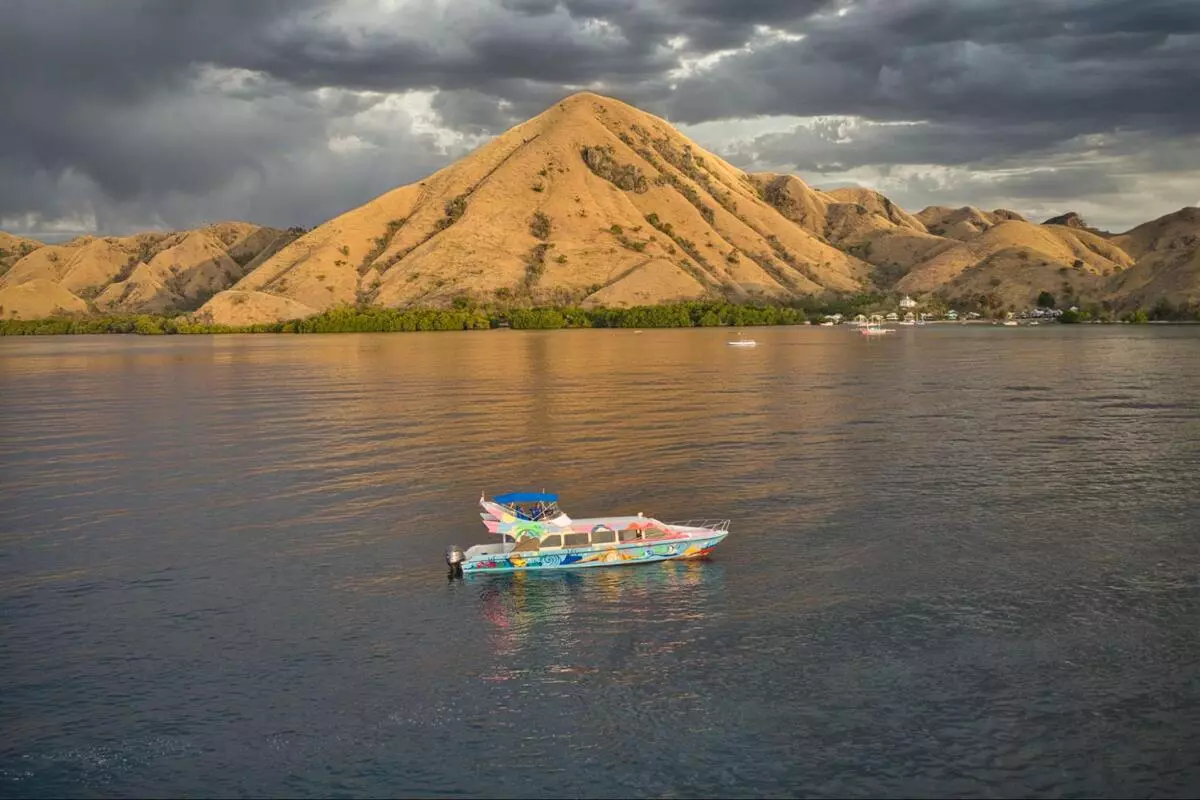
For those planning a Labuan Bajo liveaboard in late 2027, understanding current trends in pricing, seasonal conditions, and booking strategies is crucial. High season (May-September) consistently offers stable weather and excellent visibility, albeit at peak rates. Shoulder seasons (April, October) provide a strong value proposition. We detail how to secure the best experience for your budget.
Understanding Labuan Bajo Liveaboard Seasons in 2027
As we approach late 2027, the seasonal patterns for Labuan Bajo liveaboards remain a primary consideration for divers and adventurers. The region’s appeal lies in its diverse marine life and stunning landscapes, but timing your visit correctly can significantly impact your experience, from underwater visibility to overall trip cost.
High Season: May to September
The period from May to September continues to be Labuan Bajo’s high season. During these months, visitors can expect stable weather, calmer surface conditions, and exceptional underwater visibility, frequently reaching 20m to 30m. This stability makes it ideal for underwater photography and ensuring comfortable diving. Manta Ray sightings are frequent, particularly along the Central Route, making it a prime time for enthusiasts.
However, this popularity comes with a price. Peak rates are standard, and demand is consistently high. Booking 6 to 9 months in advance is not merely a recommendation; it is a necessity to secure your preferred vessel and itinerary. While July and August are noted as peak wind months, the resident Manta population remains active, albeit some may dive deeper in cooler waters (20°C–24°C).
Shoulder Season: April and October
April and October represent the shoulder seasons, offering a compelling alternative for those seeking a balance between good conditions and more favourable pricing. Sea conditions are generally good, with visibility often exceeding 20m. This period is particularly attractive for photographers, as the water clarity is typically excellent without the crowds and top-tier pricing of the high season.
Value/Off-Peak Rates are common, with potential discounts of 15–25%. Booking 3 to 4 months in advance is advisable during these periods. This timing allows for a superb experience without the premium associated with the peak months, making it a smart choice for many.
Low Season: January to March
The low season, from January to March, coincides with the wet season. While visibility can drop to 10–20m, and the weather is less predictable, this period offers warmer water (28–30°C) and the peak for Manta Ray encounters in the Southern region, particularly in January and February. Prices are at their lowest, though some trip options may be limited due to weather. Divers should be aware of the potential for strong, unpredictable currents and the necessity of ‘negative entries’ during this time.
Liveaboard Pricing Tiers and 2027 Projections
The Labuan Bajo liveaboard market continues to cater to a broad spectrum of budgets, with distinct pricing tiers reflecting the level of luxury and service. These price points are crucial for planning your 2027 trip.
| Tier | Price Per Night | Total Trip (4D3N) | Best Timing | Key Features |
|---|---|---|---|---|
| Budget | USD 150 – 250 | USD 600 – 1,000 | Apr–Jun, Sep–Nov | Shared cabins, basic bathrooms, functional diving |
| Mid-Range | USD 220 – 550 | USD 1,000 – 1,600 | May – Sep | Private cabins, good visibility, frequent Manta sightings |
| Luxury | USD 400 – 600+ | USD 1,500 – 3,500+ | May – Sep | Private suites, gourmet dining, low diver-to-guide ratio |
| Ultra-Luxury | USD 900+ | USD 7,300+ (11N) | Dec (Manta Peak) | Suites like on Dive Damai I, exclusive itineraries |
These figures provide a clear indication of what to expect financially. For a mid-range experience, which offers a robust balance of comfort and excellent diving, planning for USD 1,000 – 1,600 for a 4-day, 3-night trip during the May-September high season is realistic. Those seeking more exclusive experiences will find the luxury and ultra-luxury tiers cater to their needs, with corresponding price increases.
Booking Strategies for Your 2027 Labuan Bajo Adventure
Given the popularity of Labuan Bajo, strategic booking is paramount. Here are key considerations:
- Early Booking for High Season: For May to September, securing your spot 6-9 months out is essential. This allows for choice in vessels and cabin types.
- Shoulder Season Advantages: If flexibility allows, booking for April or October 3-4 months in advance can yield significant savings without compromising the experience.
- Low Season Opportunities: For those prioritising Manta Rays and willing to accept potentially rougher conditions, booking closer to the travel date in the low season might be possible, but flexibility is key due to weather-dependent cancellations.
- Research and Reviews: Thoroughly investigate liveaboard operators. Look for vessels with strong safety records, experienced dive guides, and positive feedback regarding their itineraries. A good starting point for exploring options is Labuan Bajo Liveaboard.
- Understand Inclusions: Always clarify what is included in the price – dive equipment, park fees, transfers, and meals can vary significantly between operators.
The Evolving Diver Profile: What 2027 Brings
The profile of the Labuan Bajo liveaboard visitor is subtly shifting. While experienced divers remain a core demographic, there’s a growing interest from those seeking a more integrated travel experience. This includes a desire for more sustainable operators, a focus on marine conservation efforts, and an interest in combining diving with cultural excursions on land. Liveaboard operators are increasingly adapting to this, offering more environmentally conscious practices and opportunities for interaction with local communities.
2027 Note: Expect a continued emphasis on sustainable tourism practices across the Labuan Bajo liveaboard fleet. Operators are increasingly adopting eco-friendly measures, from waste management to supporting local conservation projects. This trend is driven by both operator commitment and growing diver demand for responsible travel. Be prepared for potential conservation fees or initiatives that directly contribute to marine protection, reflecting a collective effort to preserve this unique ecosystem for future generations.
Final Considerations for a Successful 2027 Trip
Planning a liveaboard trip to Labuan Bajo in 2027 requires careful attention to detail. By understanding the seasonal nuances, pricing structures, and booking lead times, you can ensure a memorable and rewarding experience. Whether your priority is stable weather and peak visibility, value-driven pricing, or specific marine encounters, Labuan Bajo offers an array of options to suit your preferences.
Remember that the Komodo National Park, which encompasses many of the dive sites, is a protected area. Adhering to local guidelines and respecting marine life is crucial for preserving this extraordinary environment. With proper planning, your 2027 Labuan Bajo liveaboard will undoubtedly be an unforgettable journey into one of the world’s most vibrant marine ecosystems.
FAQ
What is the best time to visit Labuan Bajo for stable weather and good visibility in 2027?
The high season, from May to September, is consistently the best period for stable weather, calm surface conditions, and excellent visibility, often ranging from 20m to 30m. This is ideal for photography and comfortable diving.
Can I find good value liveaboard trips in Labuan Bajo outside of the peak season in 2027?
Yes, the shoulder seasons of April and October offer good value. You can expect favourable sea conditions and visibility often above 20m, with potential discounts of 15–25% on off-peak rates. Booking 3–4 months in advance is recommended for these periods.
What should I expect regarding Manta Ray sightings during the low season (January-March) in Labuan Bajo in 2027?
The low season, particularly January and February, is known for peak Manta Ray encounters in the Southern region, despite being the wet season. While visibility may be lower (10–20m), the warmer water (28–30°C) attracts Mantas to this area, offering unique viewing opportunities.
Related reading
- Komodo 3 Day Liveaboard Packages 2027: What's Included (and Excluded) in All-Inclusive Deals
- Komodo 3 Island Liveaboard Cost Breakdown 2027: Real All-In Prices for 6-Day Extended Expeditions vs. 3-Day Short Trips
- Komodo 3 Island Liveaboard Why vs. How 2027: Debunking Speed Boat Day Trips and Planning Your First Liveaboard Sail
- Faq