
Kalong Island: What Time Do the Bats Fly Out, Month by Month?

al ghifari
August 1, 2026
7 min read
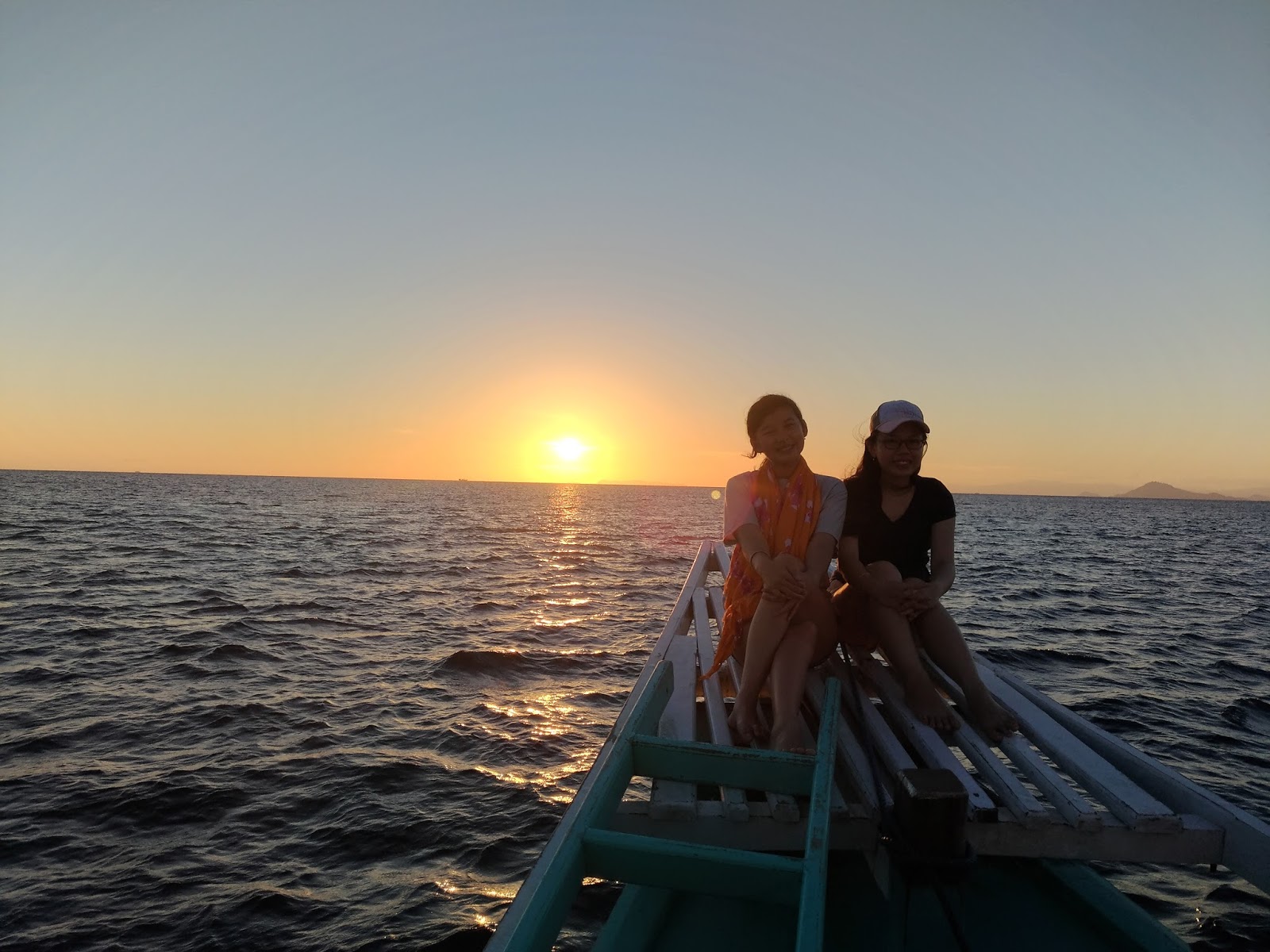
Flying foxes leave the Kalong Island mangroves at dusk, and dusk in Komodo moves by about 37 minutes across the year: computed sunset runs from 17:49 in May to 18:26 in January, WITA. Boats anchor 30–45 minutes before sunset, the first bats lift roughly at sunset, and the stream lasts 20–30 minutes into civil twilight.
Kalong is the stop nobody books for and everybody remembers. It is not really an island visit — you never land — it is an anchorage with a show. The mangrove islet holds a colony of large fruit bats (kalong is simply the Indonesian word for them) that roosts by day and streams out at dusk toward Flores to feed. Below is the month-by-month timing, computed for the island’s own coordinate rather than copied from a Labuan Bajo tide-and-sun table.
Sunset and dusk at Kalong, month by month
| Month (mid-month) | Sunset (WITA) | End of civil twilight | Anchor by | Watch window |
|---|---|---|---|---|
| January | 18:26 | 18:49 | 17:50 | 18:20–18:50 |
| February | 18:26 | 18:48 | 17:50 | 18:20–18:50 |
| March | 18:15 | 18:36 | 17:40 | 18:10–18:40 |
| April | 17:58 | 18:19 | 17:20 | 17:55–18:20 |
| May | 17:49 | 18:11 | 17:10 | 17:45–18:15 |
| June | 17:50 | 18:12 | 17:15 | 17:45–18:15 |
| July | 17:56 | 18:19 | 17:20 | 17:50–18:20 |
| August | 18:00 | 18:22 | 17:25 | 17:55–18:25 |
| September | 17:58 | 18:18 | 17:25 | 17:55–18:20 |
| October | 17:55 | 18:16 | 17:20 | 17:50–18:15 |
| November | 18:00 | 18:22 | 17:25 | 17:55–18:25 |
| December | 18:14 | 18:37 | 17:40 | 18:10–18:40 |
Computed for approximately 8.53°S, 119.87°E in WITA (UTC+8), mid-month. Bat departure is animal behaviour and varies with weather and moon; the sunset column is the fixed anchor you can plan against.
Why the window is so narrow
Komodo sits about 8.5 degrees south of the equator, so twilight is short — roughly 21 to 23 minutes from sunset to the end of civil twilight, against an hour or more in Europe. The colony leaves into that band. Miss it by half an hour and you are looking at a dark mangrove. This is why crews care about arriving early and why an anchorage that looks over-cautious on the schedule is not.
What affects whether it is a good night
| Factor | Effect on the show |
|---|---|
| Cloud cover | Heavy cloud brings the departure forward by 10–15 minutes and flattens the silhouettes |
| Rain | The colony delays or trickles out; December–March is the least reliable window |
| Bright full moon | Departure can be later and more scattered |
| Wind direction | Decides which side of the boat the stream passes; crews reposition for it |
| Boat noise and lights | Deck floodlights on early disrupt the departure — good crews keep them off |
| Season | The colony is resident year-round; there is no month with no bats |
Where Kalong sits in the itinerary, and why
On a standard 3D2N, Kalong closes day 1 after Kelor and Manjarite, and it is chosen as much for the seabed as for the bats: it is a sheltered overnight anchorage correctly positioned for the 3–4 hour night passage to Padar, so you sleep through the longest leg of the trip and wake in place for the sunrise climb. If an itinerary lists Kalong on day 2 instead, check where the boat spends the night before Padar — the geography does not really allow a better option.
Photographing it without being disappointed
- Expect silhouettes, not detail. The light level at departure is at or below sunset value.
- A fast lens and a high ISO beat a long zoom; the birds-eye stream is wide, not distant.
- Set exposure on the sky before the first bats lift — you will not have time afterwards.
- Ask the crew which side the stream will pass and stake out that rail early.
- Phone cameras handle the wide silhouette shot better than they handle the individual animal.
Is it worth staying up for?
It costs you nothing — you are anchored there anyway, and dinner is usually served either side of it. For most guests it is the quietest twenty minutes of the trip: no queue, no climb, no ticket, thousands of animals crossing a red sky. It is also the only wildlife stop on the standard route where nobody needs a ranger, a fee or a fitness level.
Frequently asked questions
What time do the bats fly out at Kalong Island?
At dusk. Computed sunset at Kalong runs from 17:49 in May to 18:26 in January (WITA), with civil twilight ending 21–23 minutes later. The first animals lift around sunset and the stream lasts 20 to 30 minutes.
Do you land on Kalong Island?
No. Kalong is a mangrove islet watched from the boat. It doubles as the sheltered overnight anchorage before the 3–4 hour night passage to Padar.
Is there a season for the Kalong bats?
The colony is resident year-round, so there is no month without bats. Weather is the variable: heavy rain in the December–March green season makes the departure less reliable and less photogenic.
Why is the bat viewing window so short?
Because Komodo is close to the equator. Twilight lasts only 21 to 23 minutes from sunset to the end of civil light, and the colony leaves inside that band. Arriving half an hour late means seeing nothing.
Is Kalong worth including in the itinerary?
It costs no extra time — the boat anchors there for the night regardless, because it is the correct position for the overnight run to Padar. For most guests it is the calmest twenty minutes of the whole trip.
Read next on this site
- The 3-island route: which three, and why that order
- Kelor Island: the first stop explained
- Komodo island-hopping calendar 2027: full moon, currents and crowd months
Getting a written 2027 quote
Ask which night of your itinerary anchors at Kalong and what time sunset falls that week. Departures, cabin plans and current rate sheets for this route are handled by Komodo Luxury, the Labuan Bajo operator behind this vessel since 2015. Send your dates, group size and whether anyone in the group dives, and you get a written quote with the inclusion list and the park-fee treatment stated line by line. Reach the reservations desk on WhatsApp +62 811 9941 919 or at sales@indonesiajuara.asia.
Park fees quoted per PP 36/2024 as socialised by Balai Taman Nasional Komodo. Price bands are market reference ranges compiled from active operator listings and network-published rates on 1 August 2026 — they are not quotations, and they move with season, fuel and exchange rate. Ask for a written quote before transferring a deposit.